- Large property located central to major mining projects in a a supportive mining jurisdiction
- 4 new surface gold targets with discovery potential
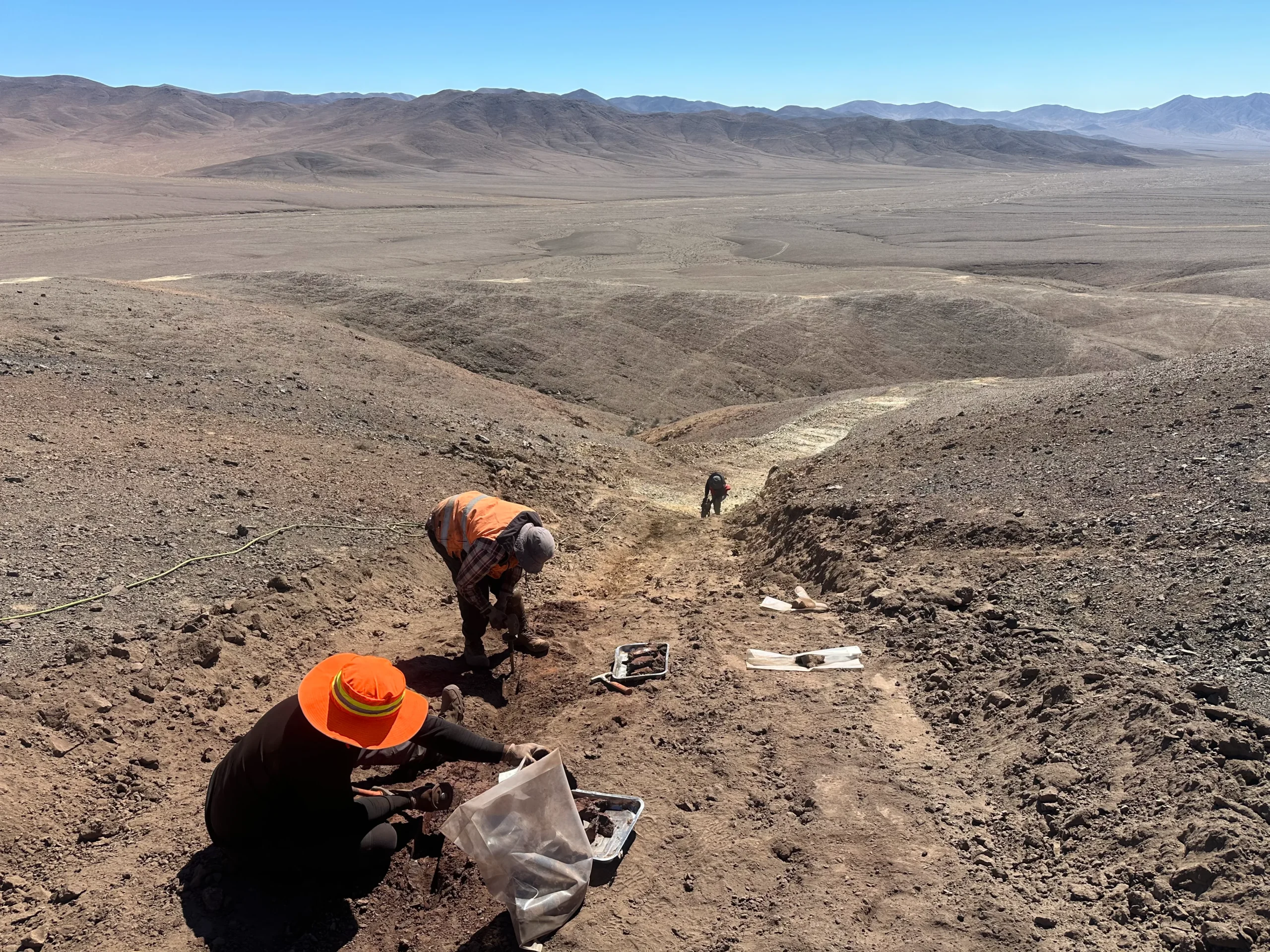
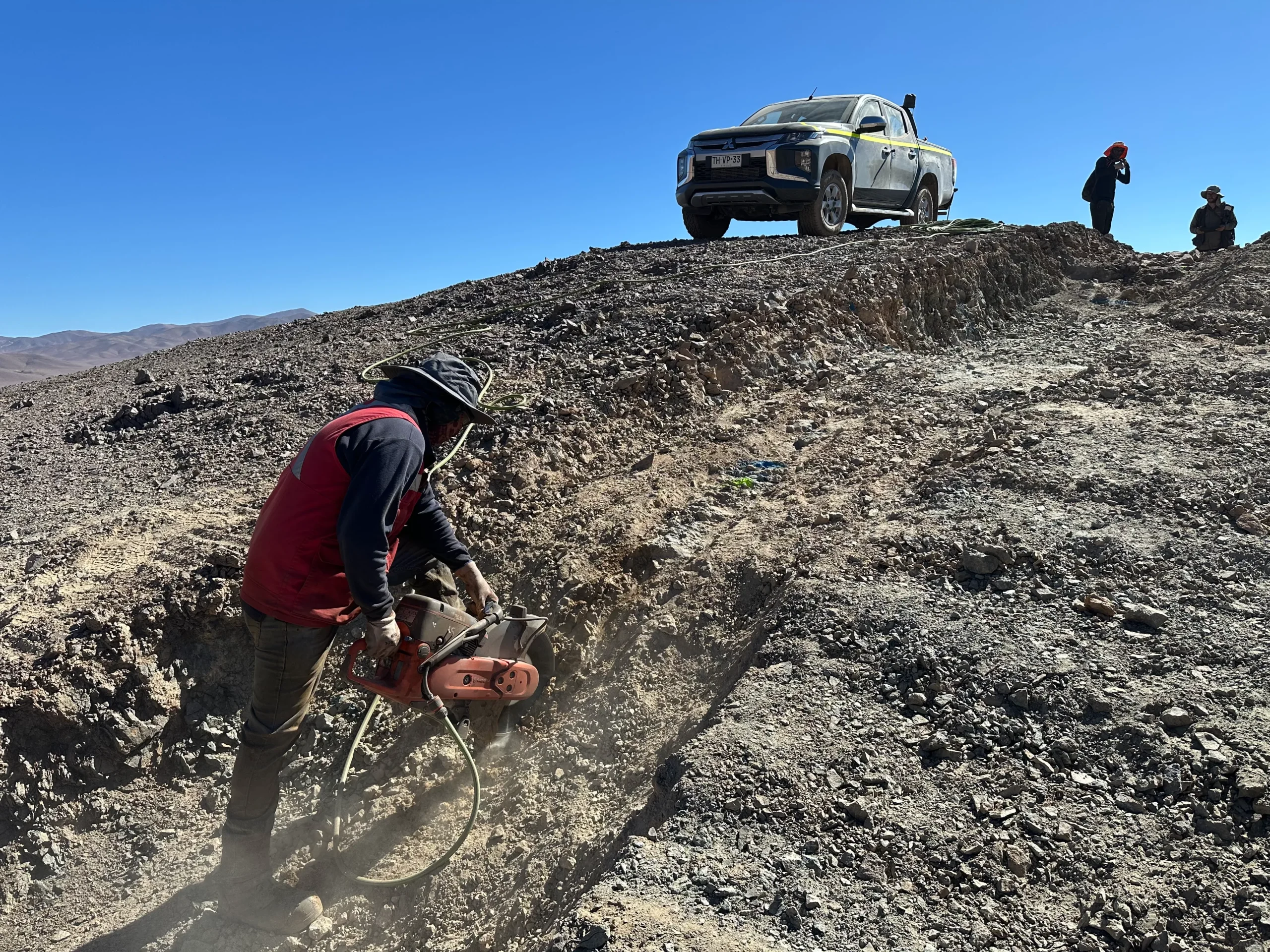
- At the Paula target, 2025 trenching identified a core mineralized zone 380 metres long by 77 metres wide including five trenches with greater than 1 g/t Au over more than 20 metres
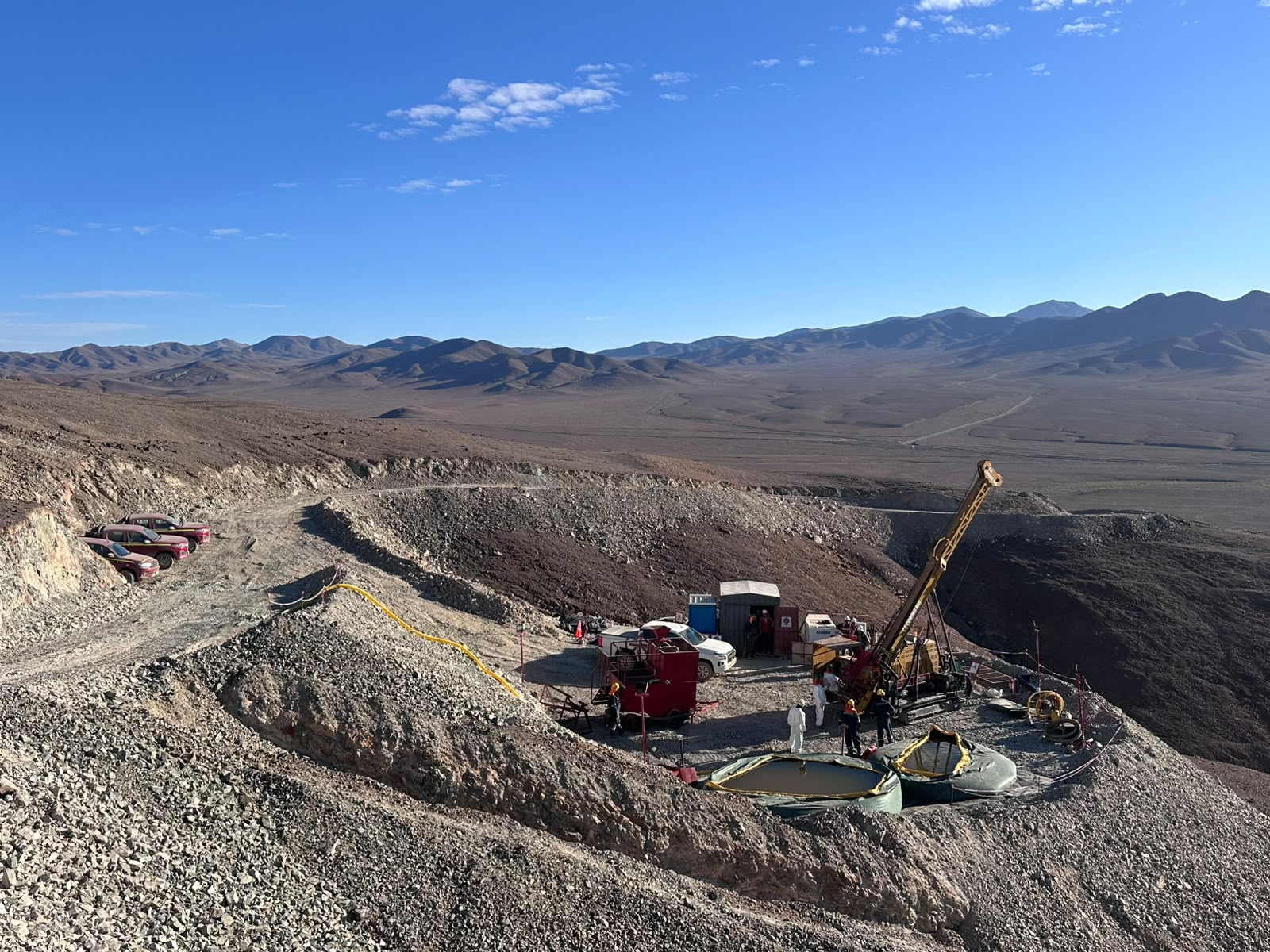
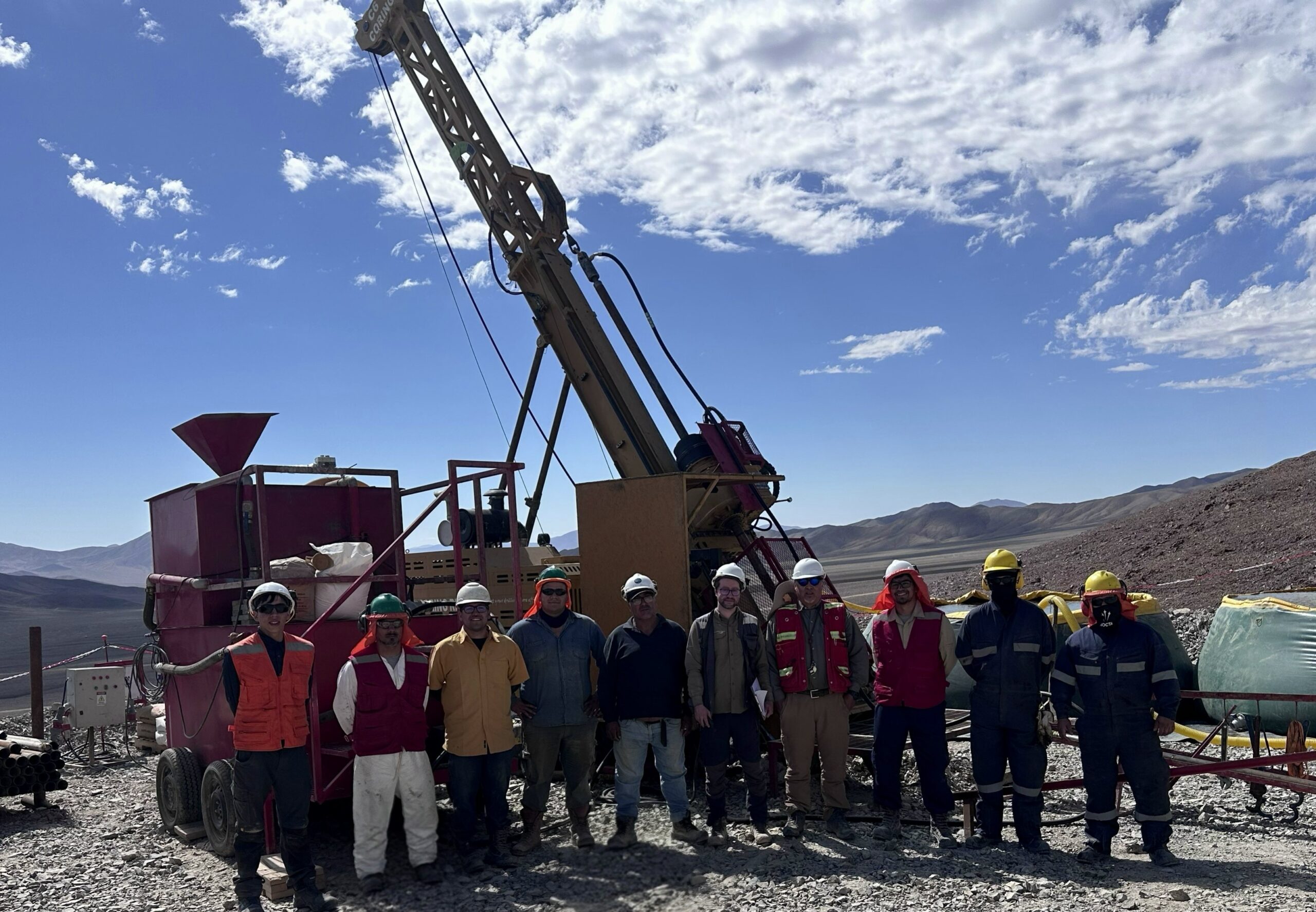
- First drill program underway through the end of 2026
A Large Property With New Gold Potential
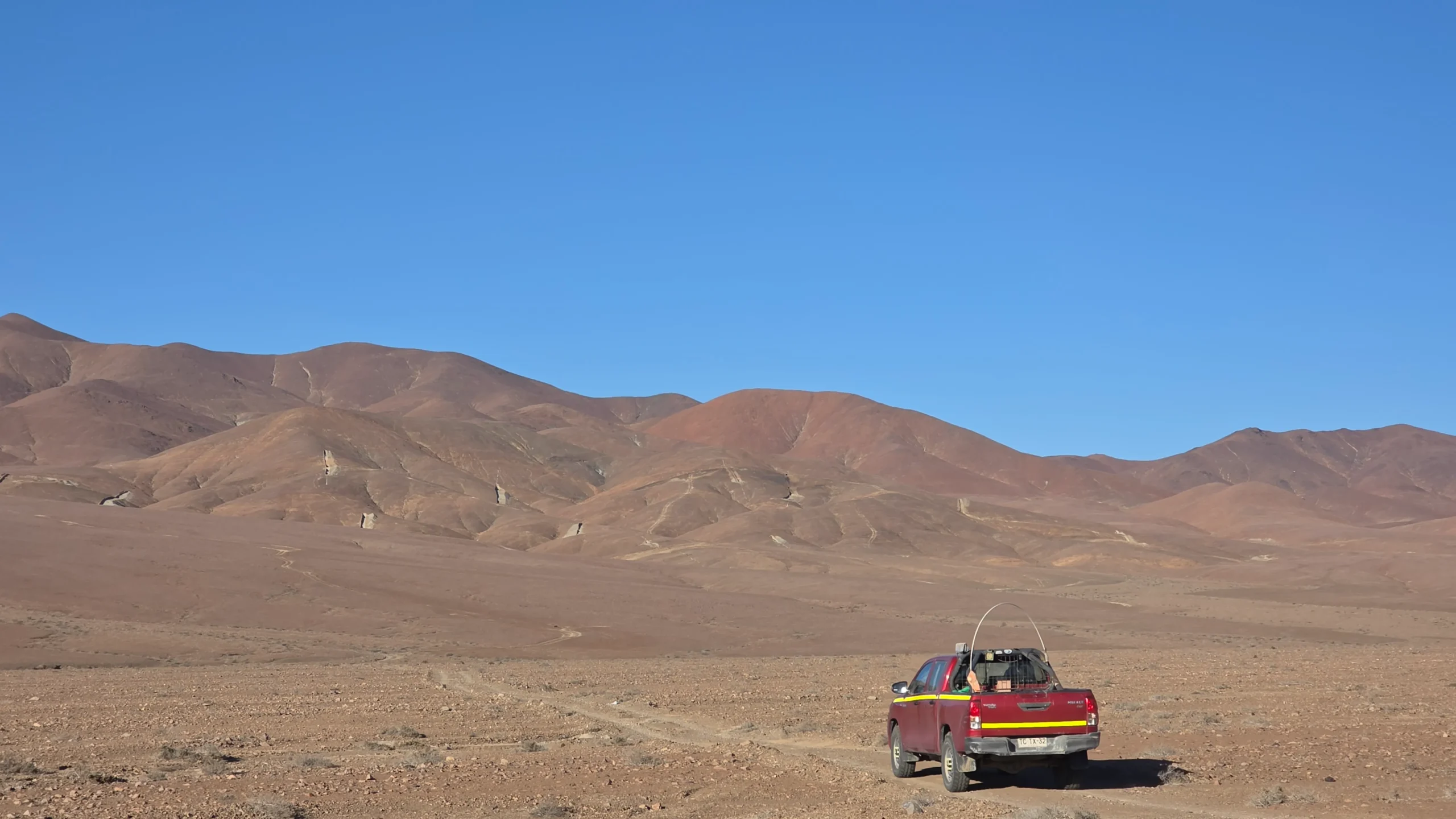
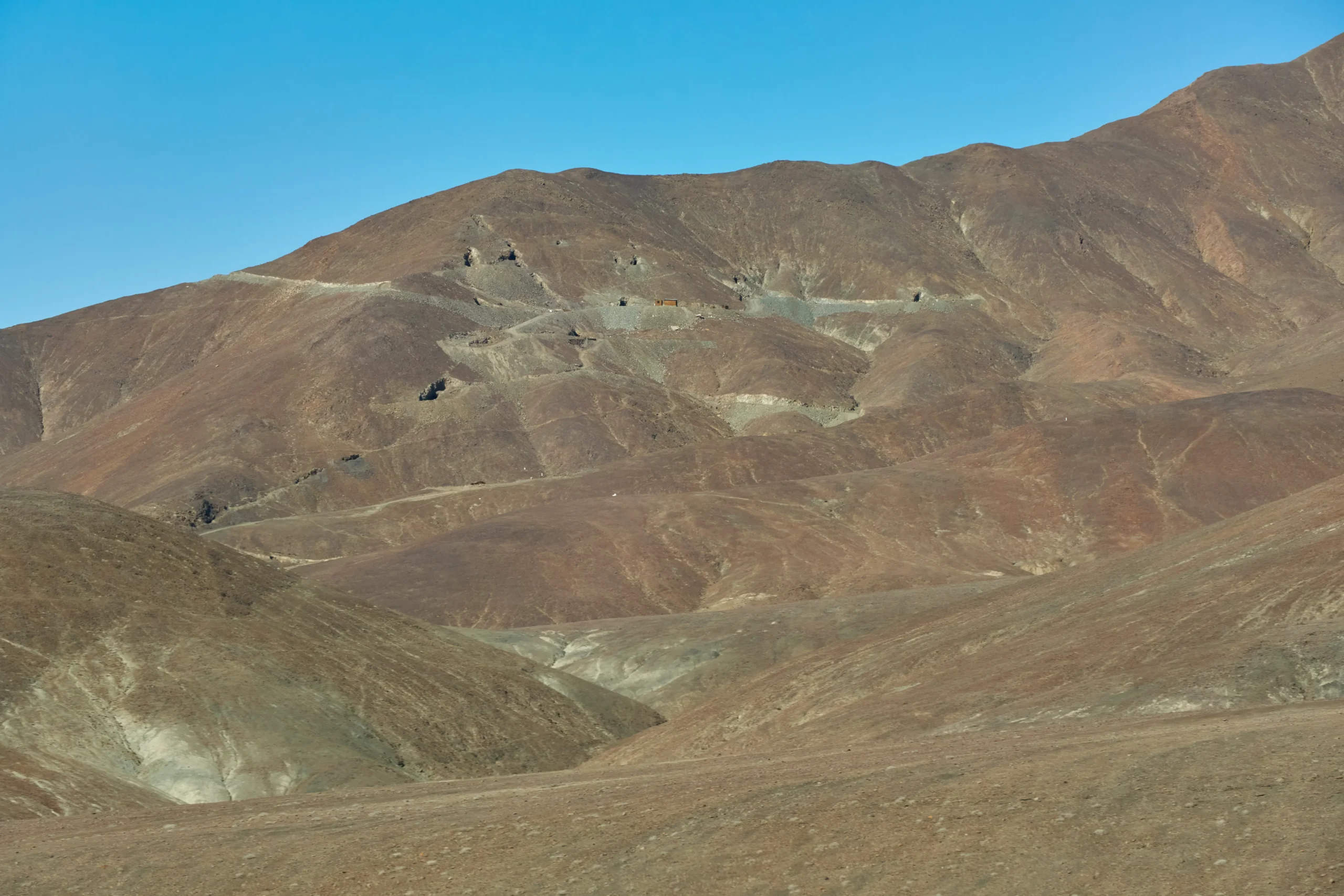
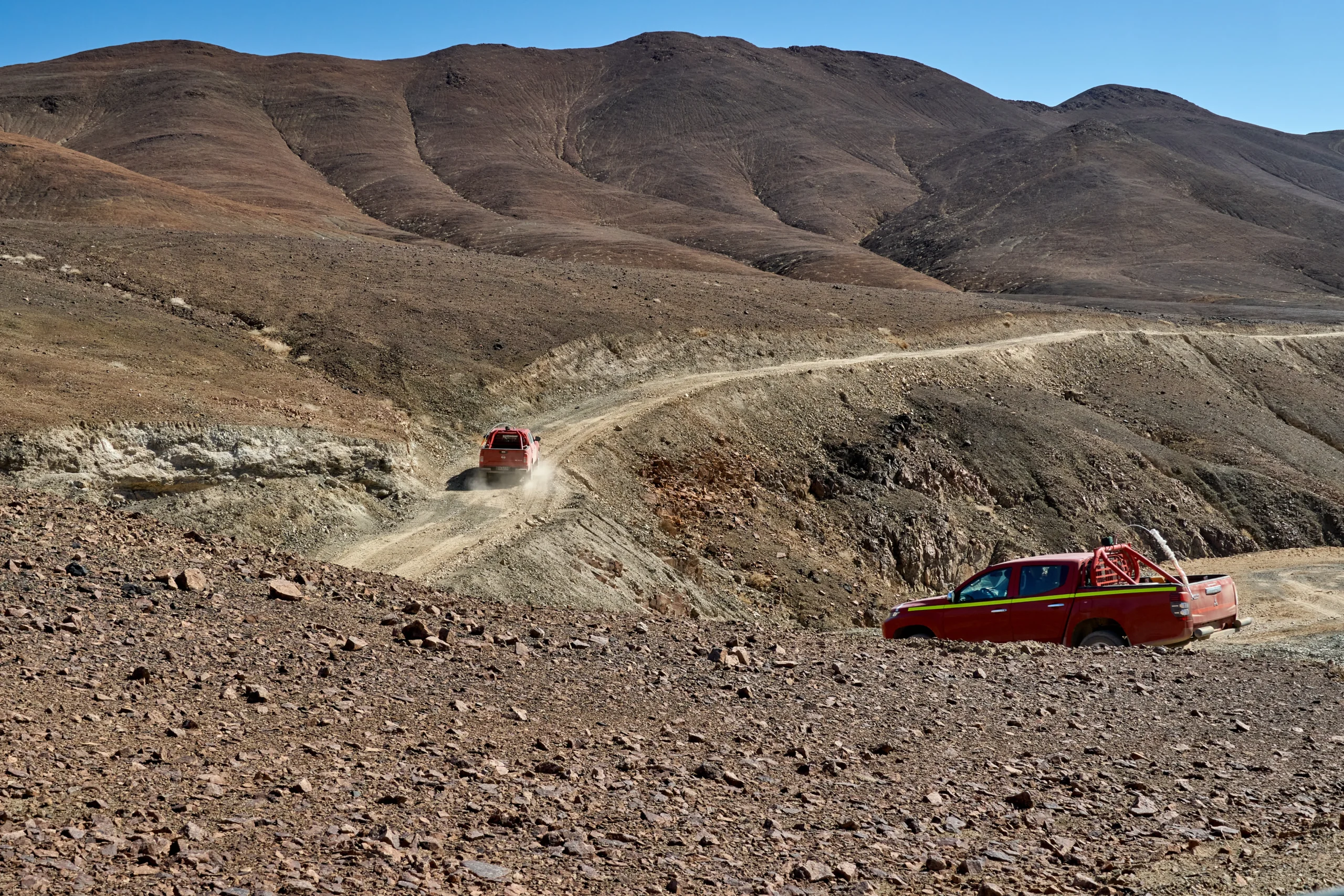
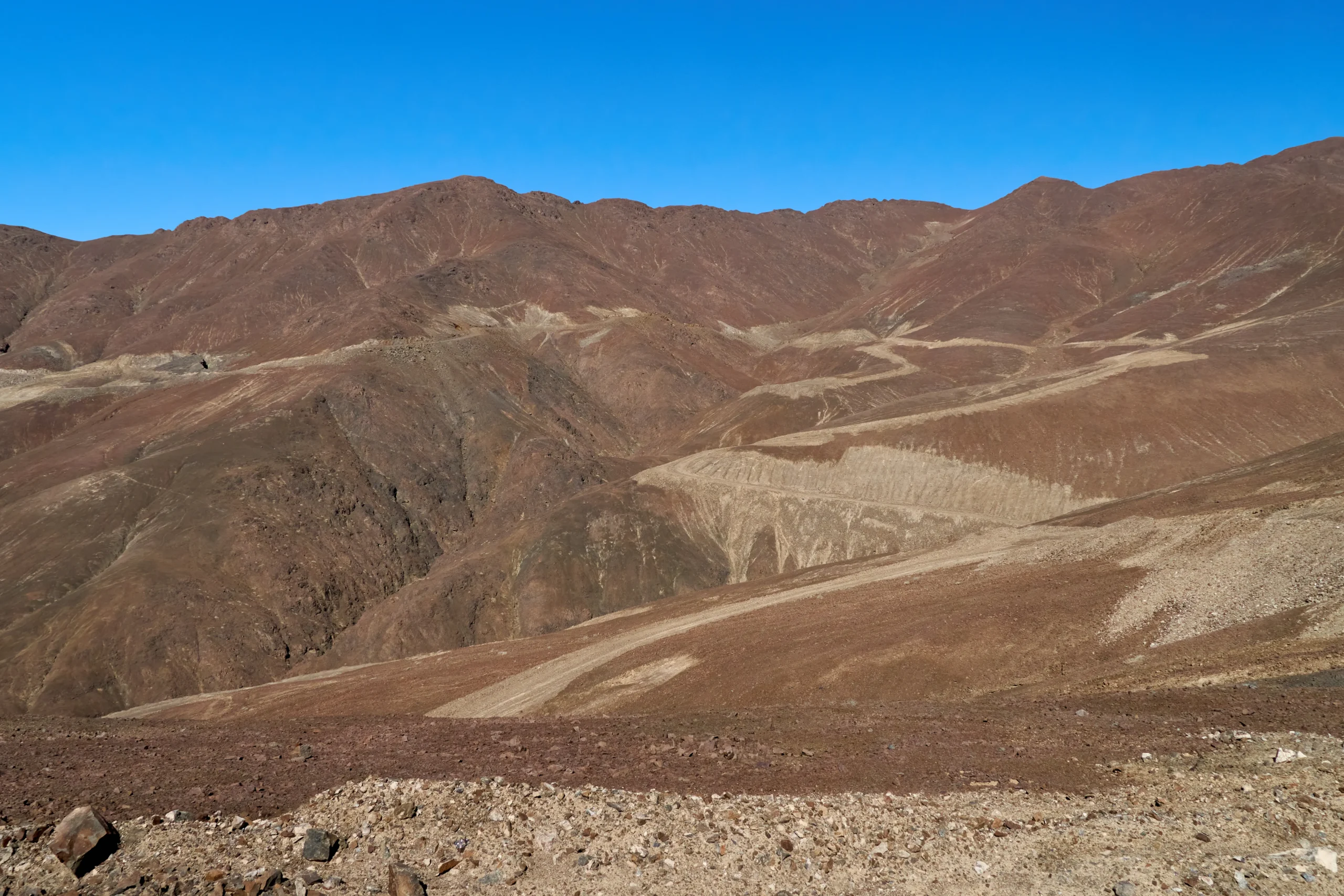
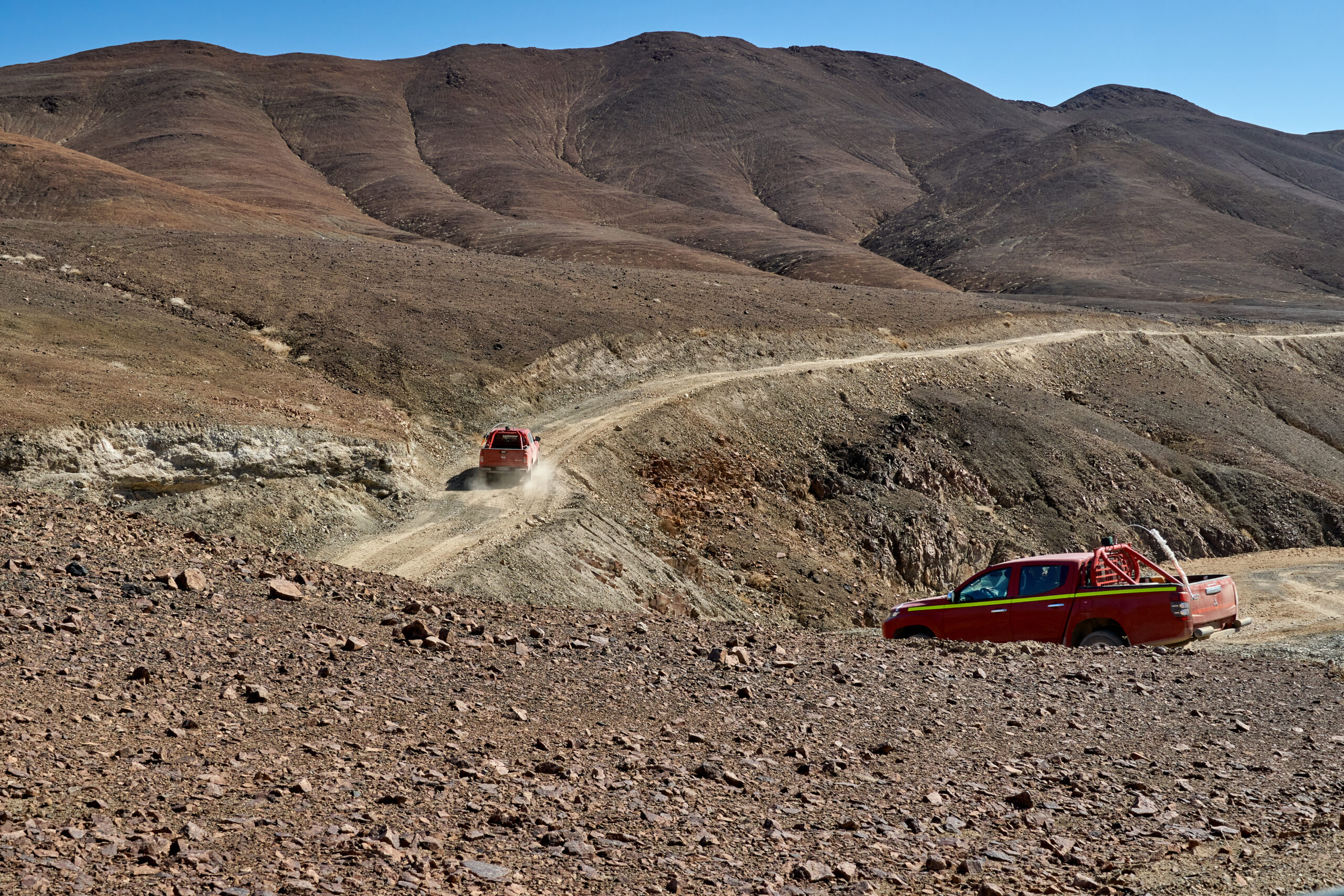
The Atakama Project focuses on gold exploration on ~9,000 hectares of exploration and exploitation concessions situated at modest altitude in the Atacama region of Chile, approximately 100 kilometres north of the city of Copiapo. The project is in an active mining district with excellent mining and processing infrastructure, highway access, and a mining support town ~10km away.
The project area was previously part of the property group that formed Golden Arrow’s San Pietro Iron oxide-Copper-Gold-Cobalt Project. The Company sold a portion of the concessions and the copper assets to Capstone Mining and subsidiary in August 2026. The remaining concessions and gold targets form the Atakama project.
Golden Arrow operates the project, which is directly owned by the Company’s 75%-held Chilean subsidiary New Golden Explorations Inc (“NGE”) (see news release dated 4/29/2025).
Drilling is currently permitted using a maximum of forty drill platforms.
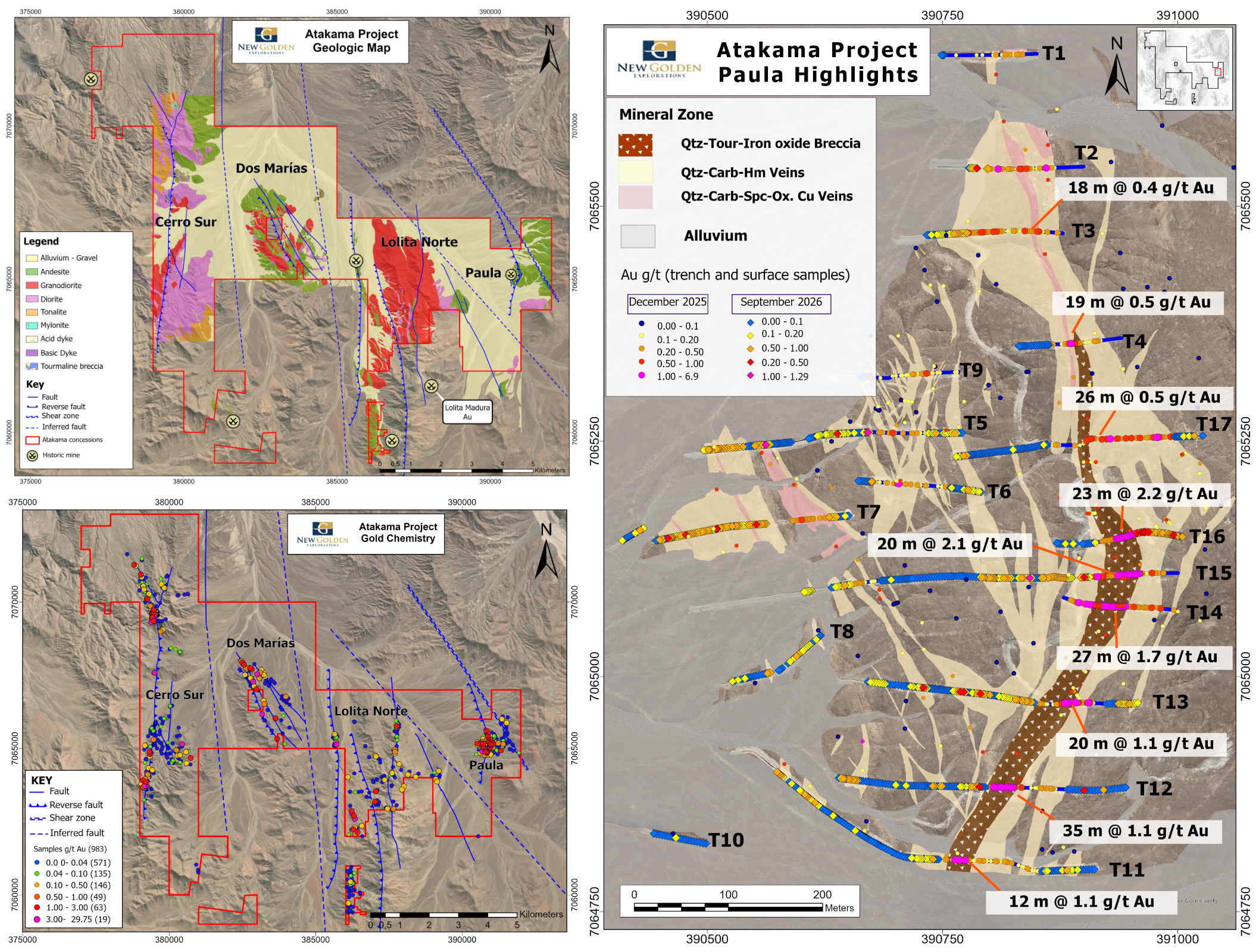
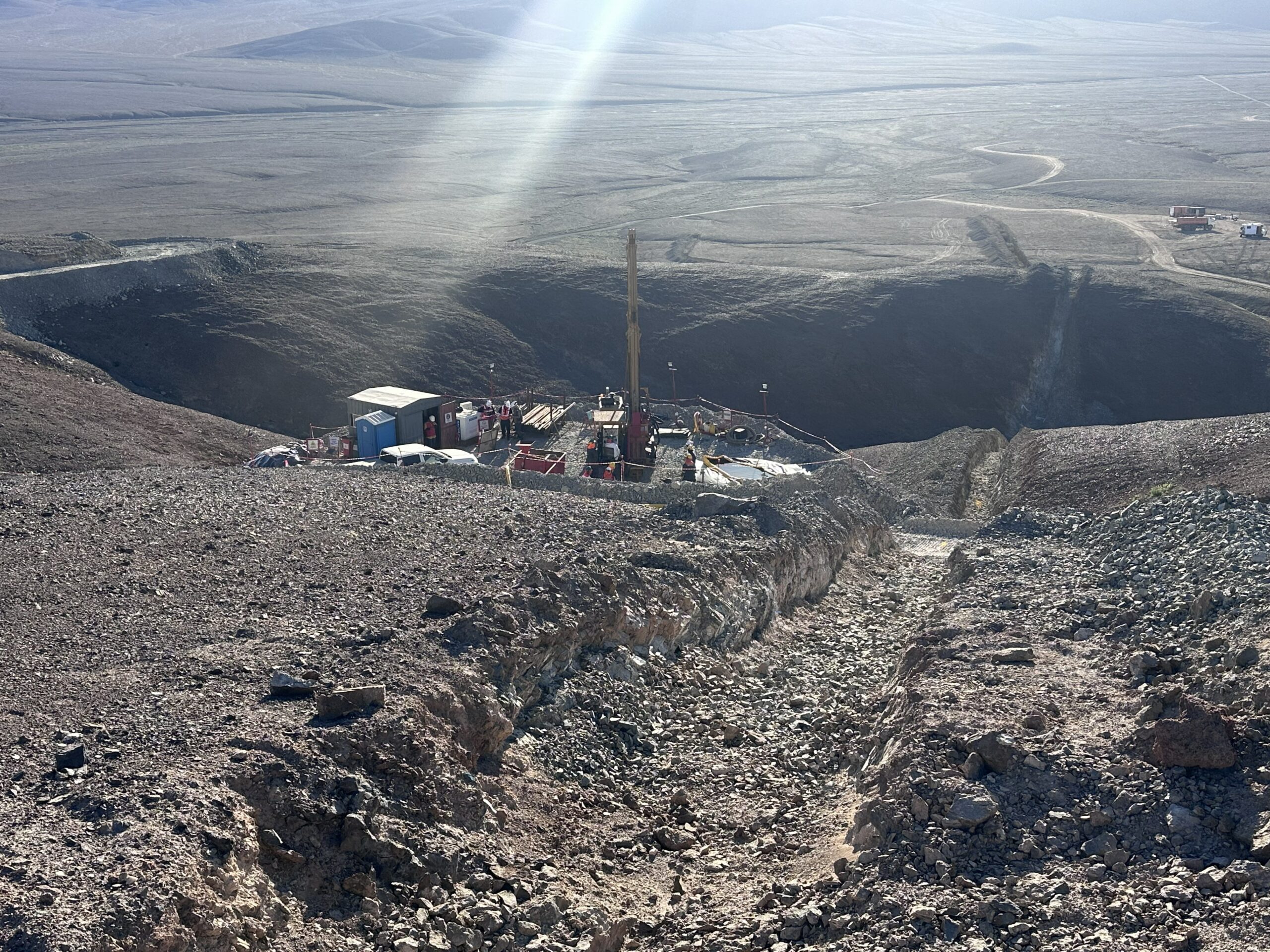
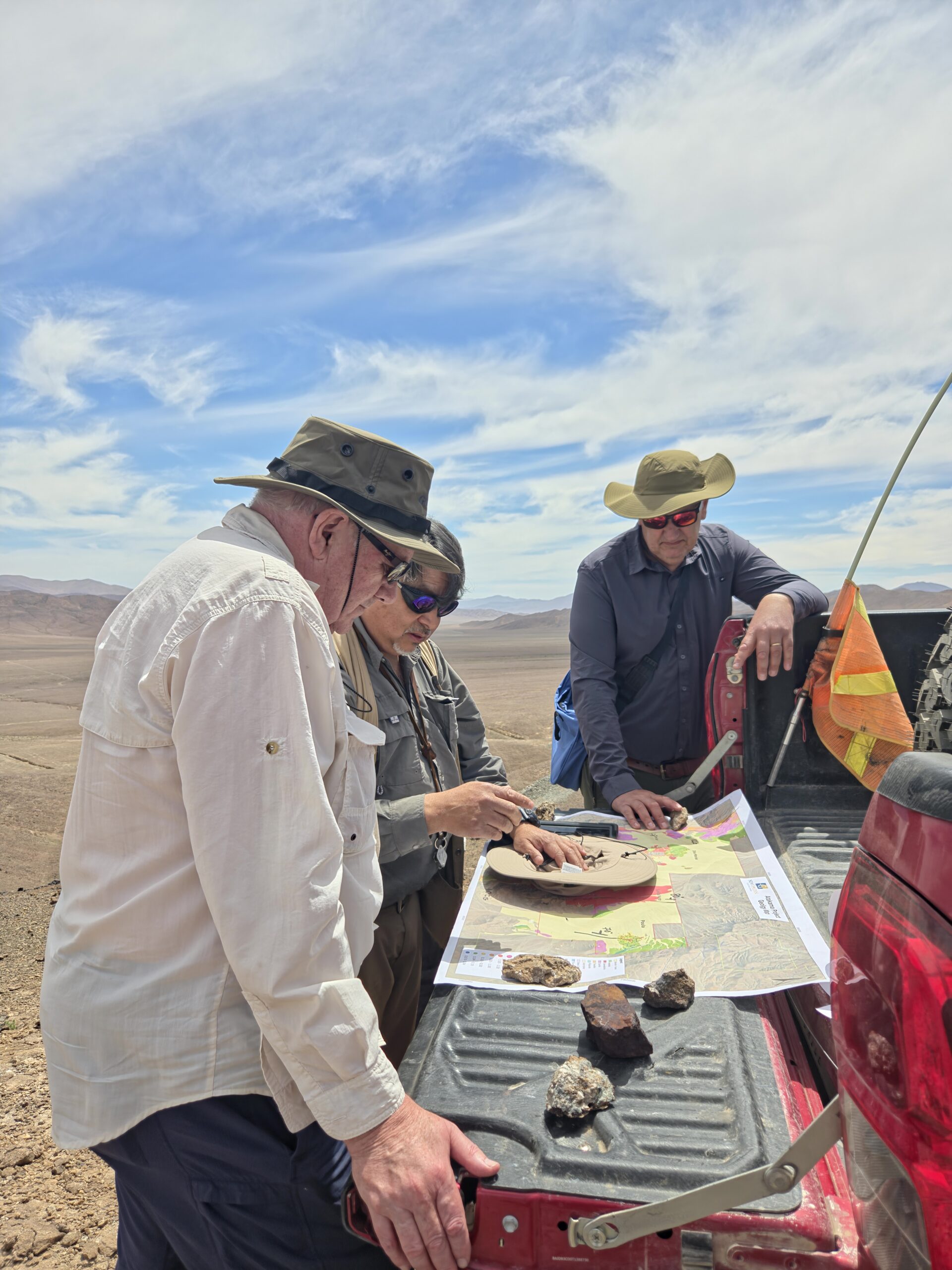
Work through 2025 and 2026 identified four high-priority gold target areas. Detailed trenching at the Paula target identified long intervals of gold in trench samples and the Company is now drilling this target to test for the continuation of mineralization at depth. Detailed exploration continues at the three additional areas to delineate drill targets for the potential second phase of drilling.
The Atakama project sits in Chile’s Cretaceous Iron Belt, which hosts large iron-oxide-copper-gold (“IOCG”) deposits such as Manto Verde (approximately 10km to the west) and Candelaria (approximately 100km to the south). Several known IOCG deposits ring the project, including the Company’s previously discovered Rincones deposit. Gold occasionally contributes important economic value to IOCG mines in the region but generally remains ancillary in these deposits. Gold-focused mining in the Atacama Region has largely occurred in the prolific Maricunga belt to the east in the high Andes, where gold is typically found in high-sulfidation epithermal and porphyry-style deposits. Recently, other companies have identified new styles of large gold deposits in the Atacama Region, such as the intrusion-related Ternera deposit in the Coastal Cordillera, approximately 35km west of the Atakama project (operated by Tesoro Gold) and the Pantanillo oxide gold project in the Maricunga (operated by Flagship Minerals).
[Manto Verde, Candelaria, Ternera and Pantanillo are located on properties that are not part of the Atakama project, and the disclosure of mineralization on these properties is included for context only. Readers are cautioned that mineral deposits on nearby or geologically similar properties are not necessarily indicative of the mineralization on the Atakama project, and mineralization hosted on such other properties, even where geologically similar, is not necessarily indicative of the presence, style, or economic viability of mineralization on the Atakama project. The disclosure above regarding these properties is derived from public disclosure of their respective operators and has not been independently verified by the Company or its qualified person.]
For additional information on the targets and potential, please see the latest Presentation and for full disclosure details refer to the Company’s News Releases and Quarterly Statements
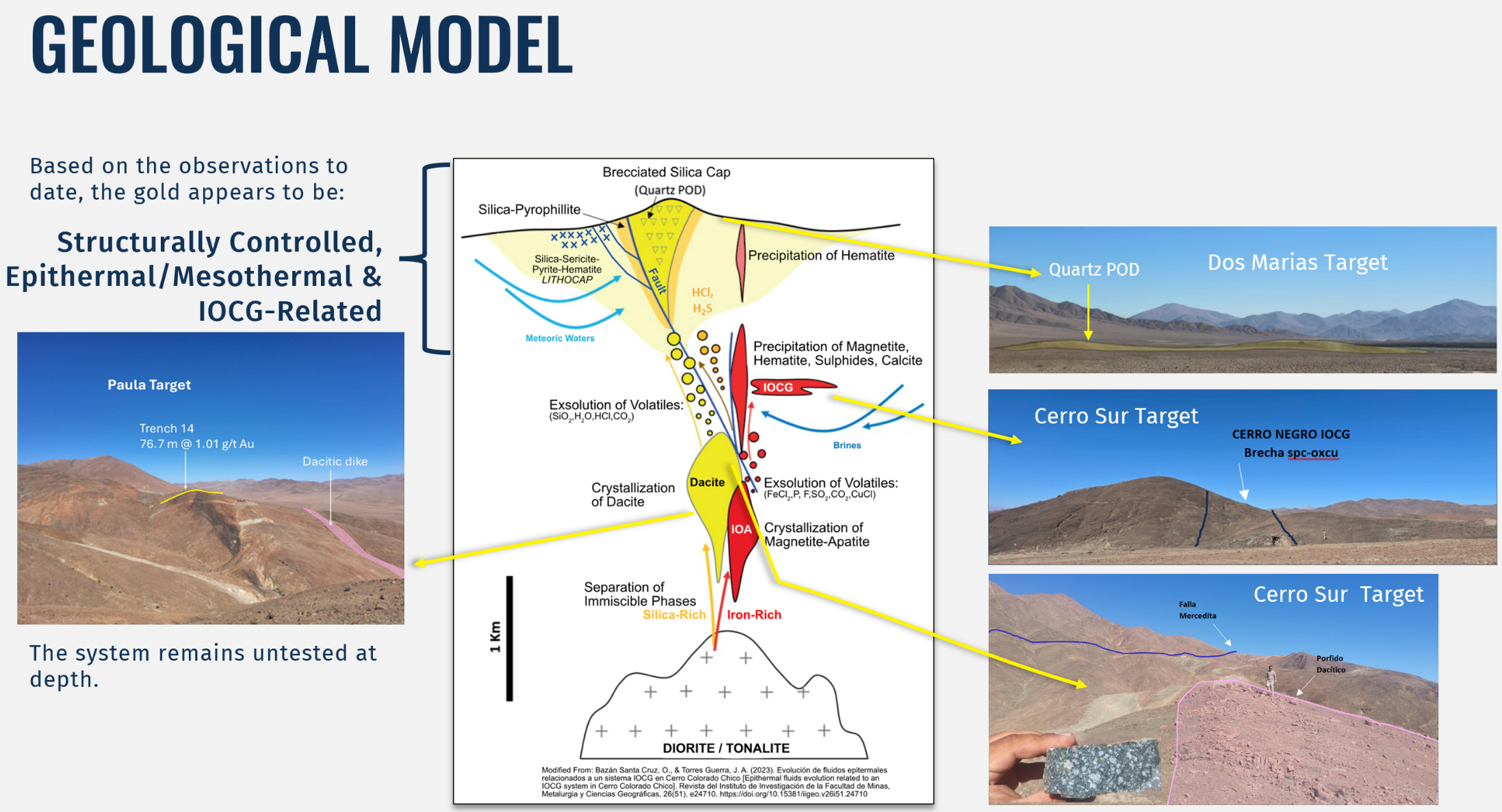
Geological Model
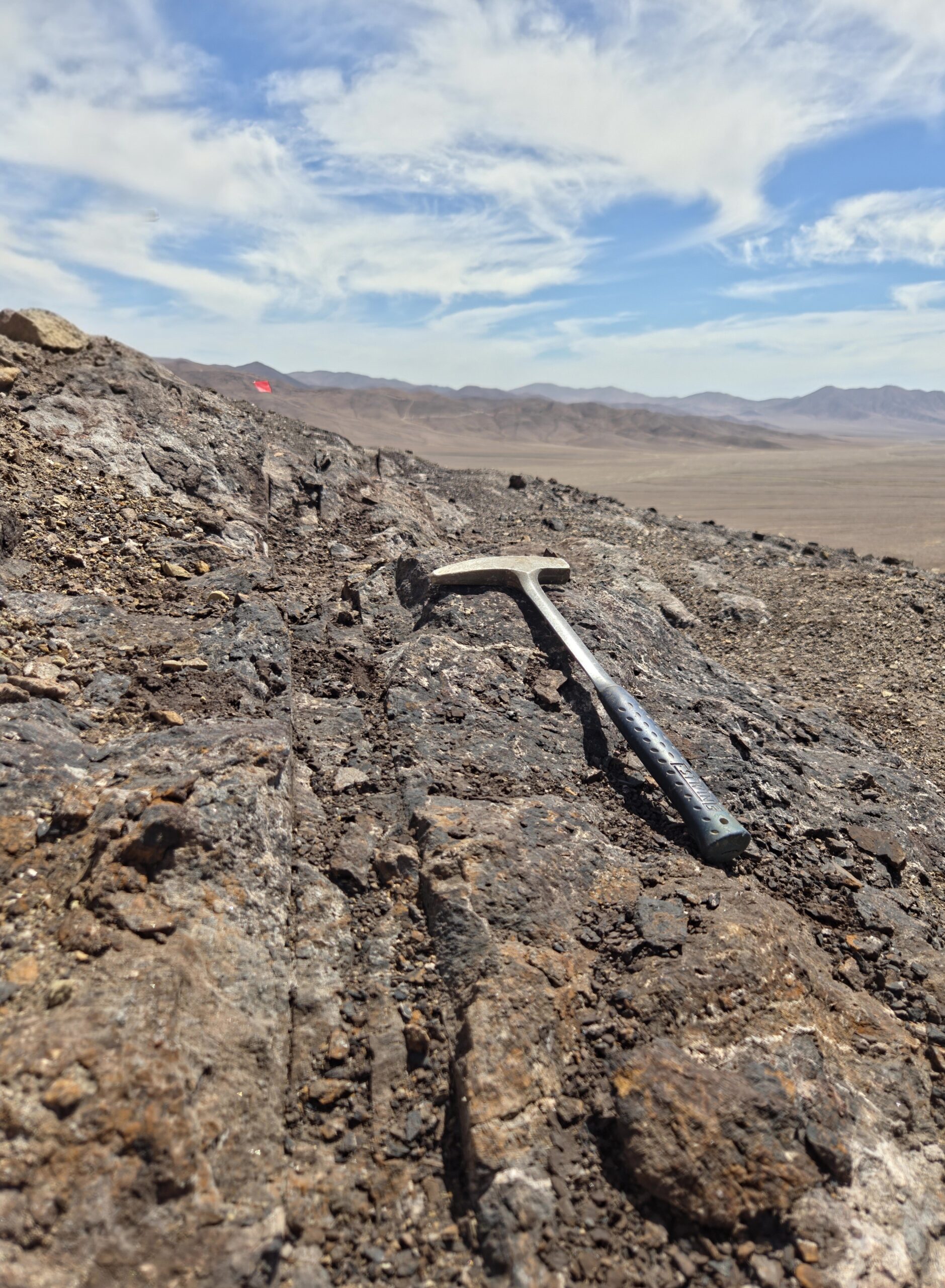
The current working model interprets the mineralization observed to date at Atakama as epithermal/mesothermal and corresponding to the upper part of an intrusive-related system. In this model, iron- and silica-rich fluids separated, with iron-rich fluids creating deeper IOCG mineralization and silica-rich fluids creating shallower gold mineralization. The Company plans to complete age dating, fluid inclusion and other detailed studies later in the year to help corroborate the model. Observations that to date support this interpretation include: near-surface IOCG mineralization to the west, zones of silica lithocap, and quartz pods. Notably, alluvial or colluvial cover conceals large portions of the project.