Potrerillos
Target
Gold, Silver
Stage
Exploration, seeking JV
Property Mineral Rights
~4,000 ha
Country
Argentina

- 100% control of ~4,000 hectares of concessions in, San Juan Province
- In the Valle de Cura district 8 km east of Veladero mine and Pascua-Lama Project
- Multiple under-explored low-sulphidation epithermal target with potential for gold-silver resources
- GRG is seeking a JV partner to advance the project
Property & Access
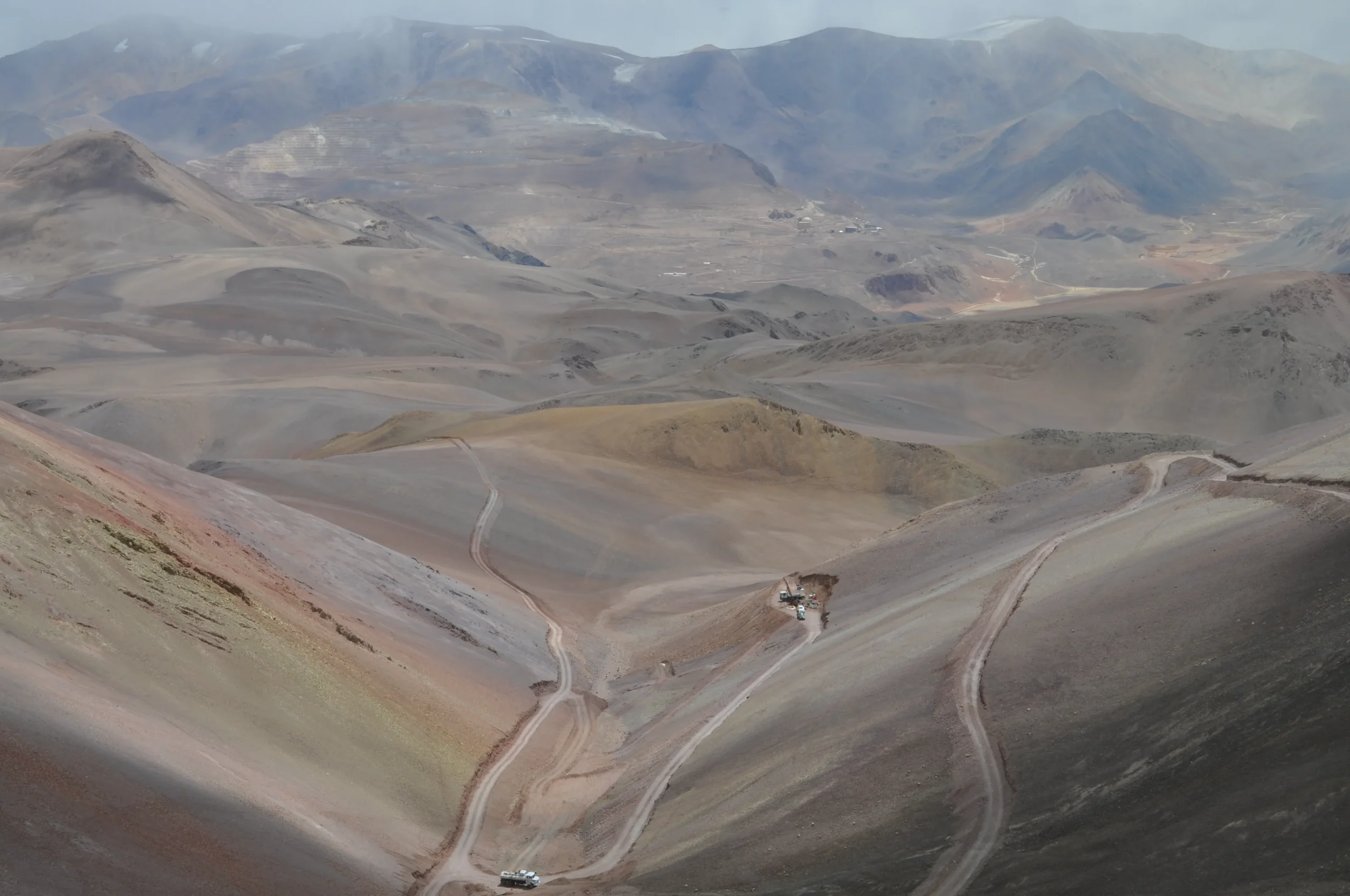
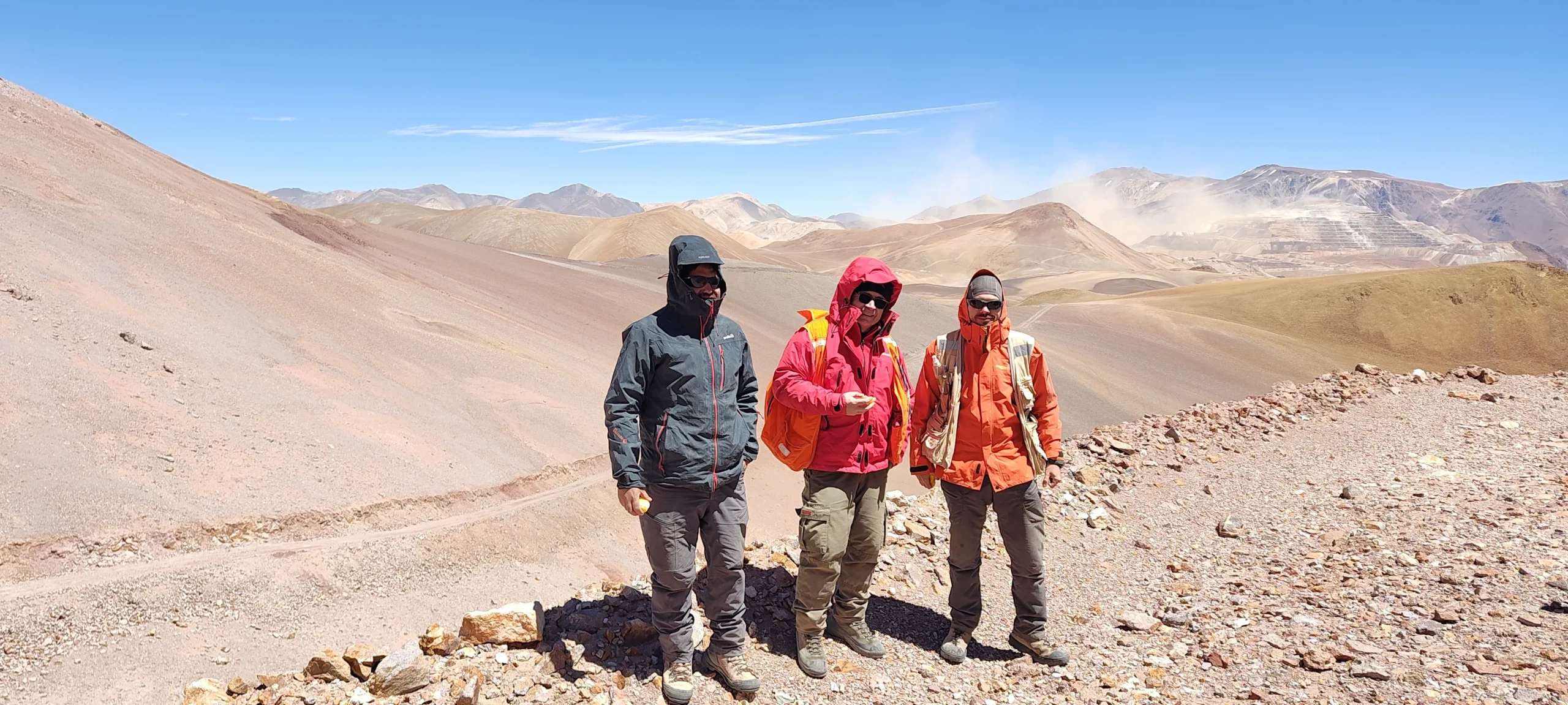
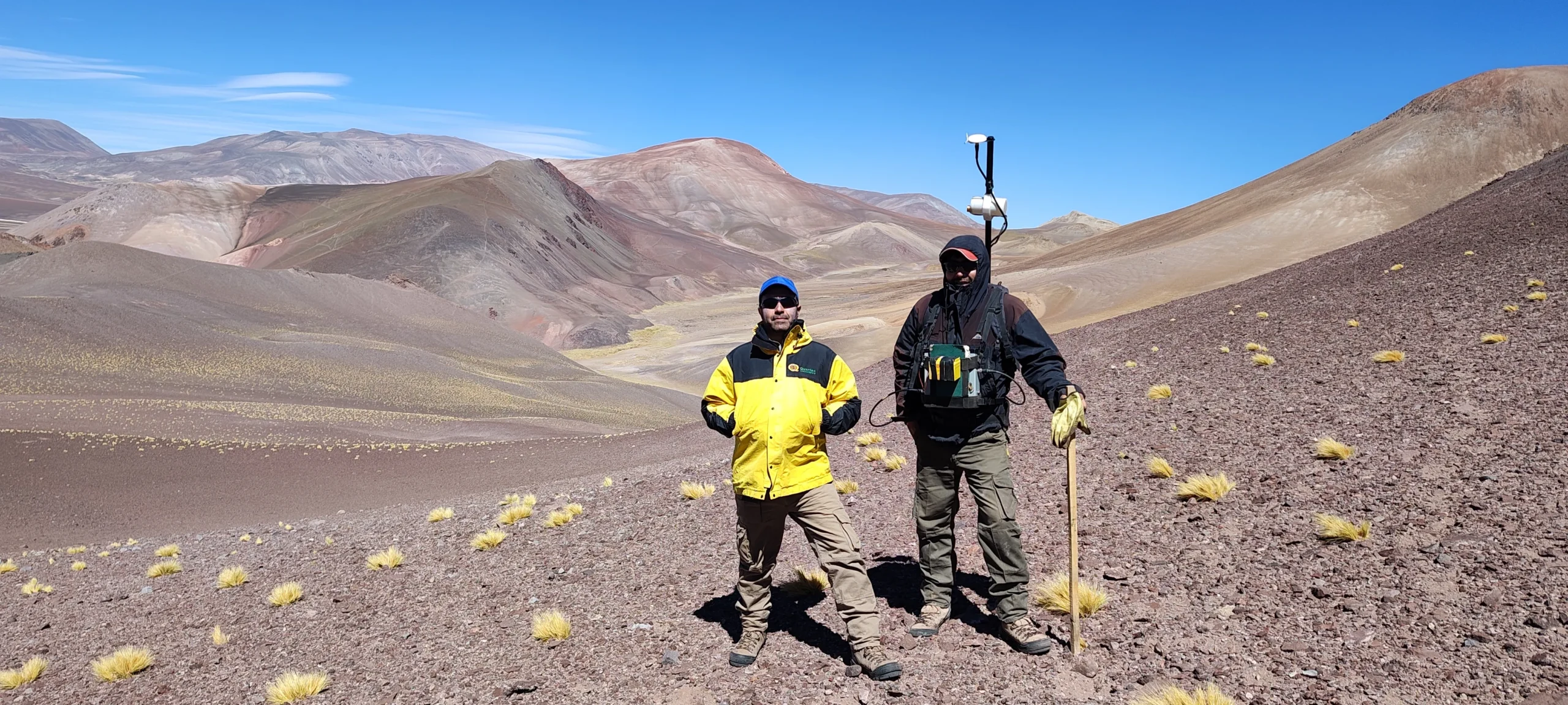
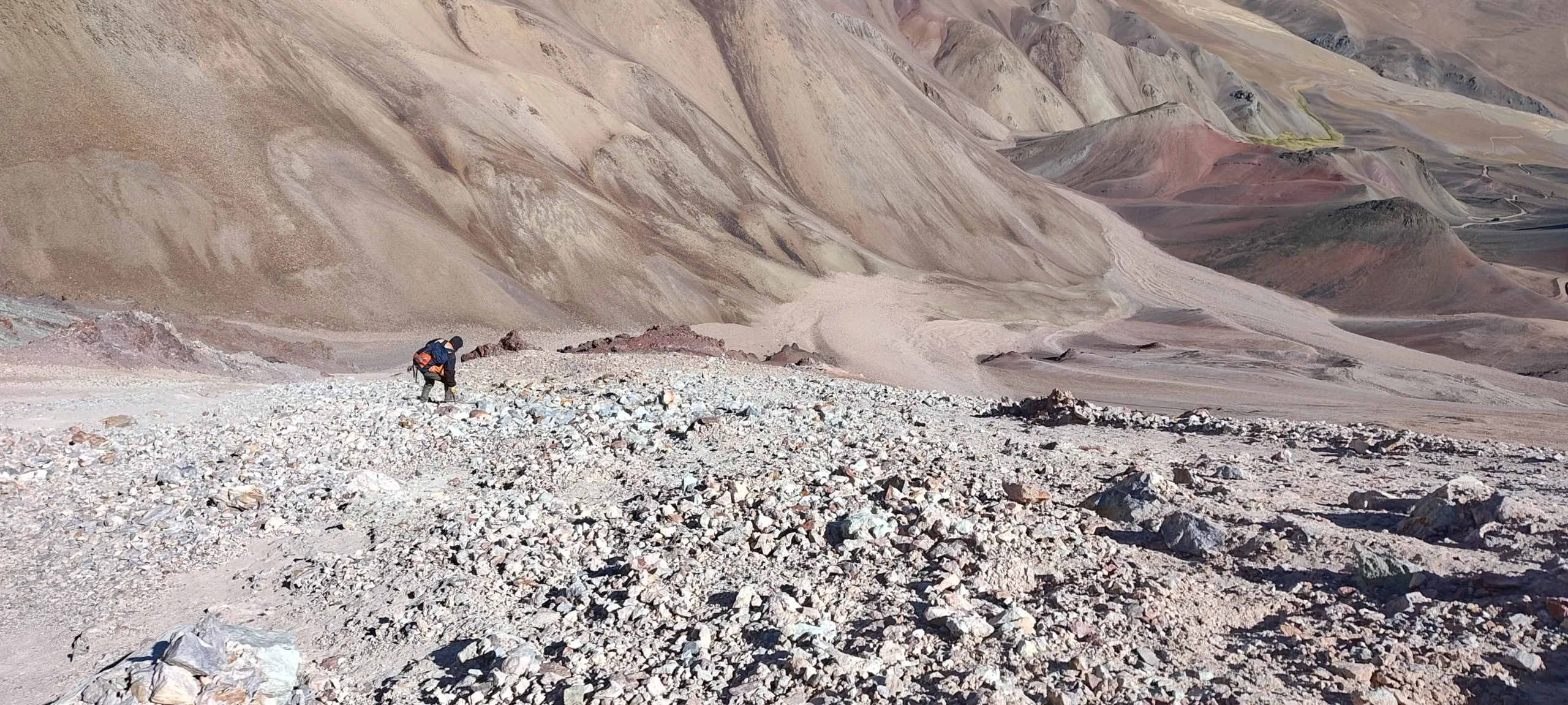
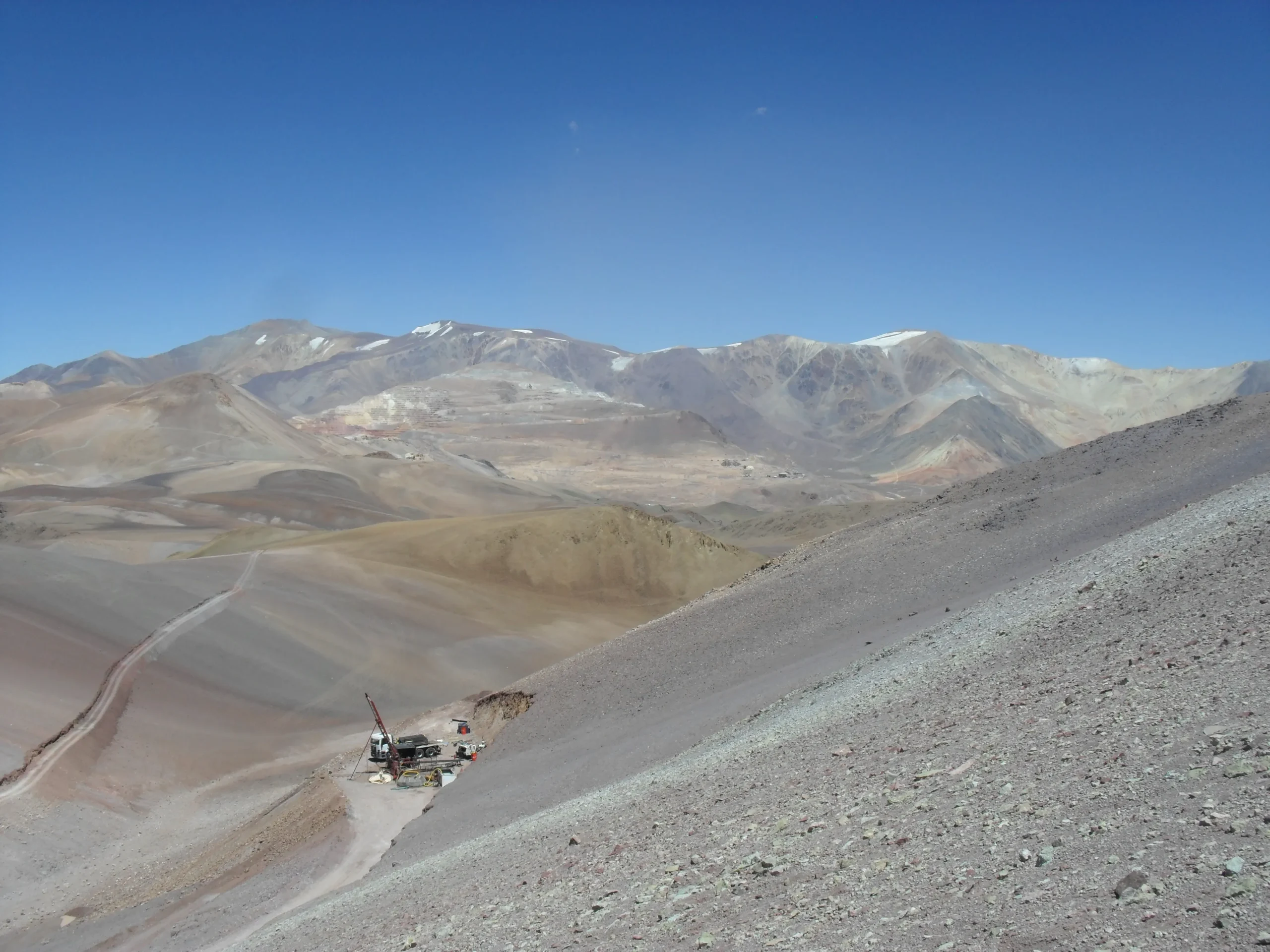
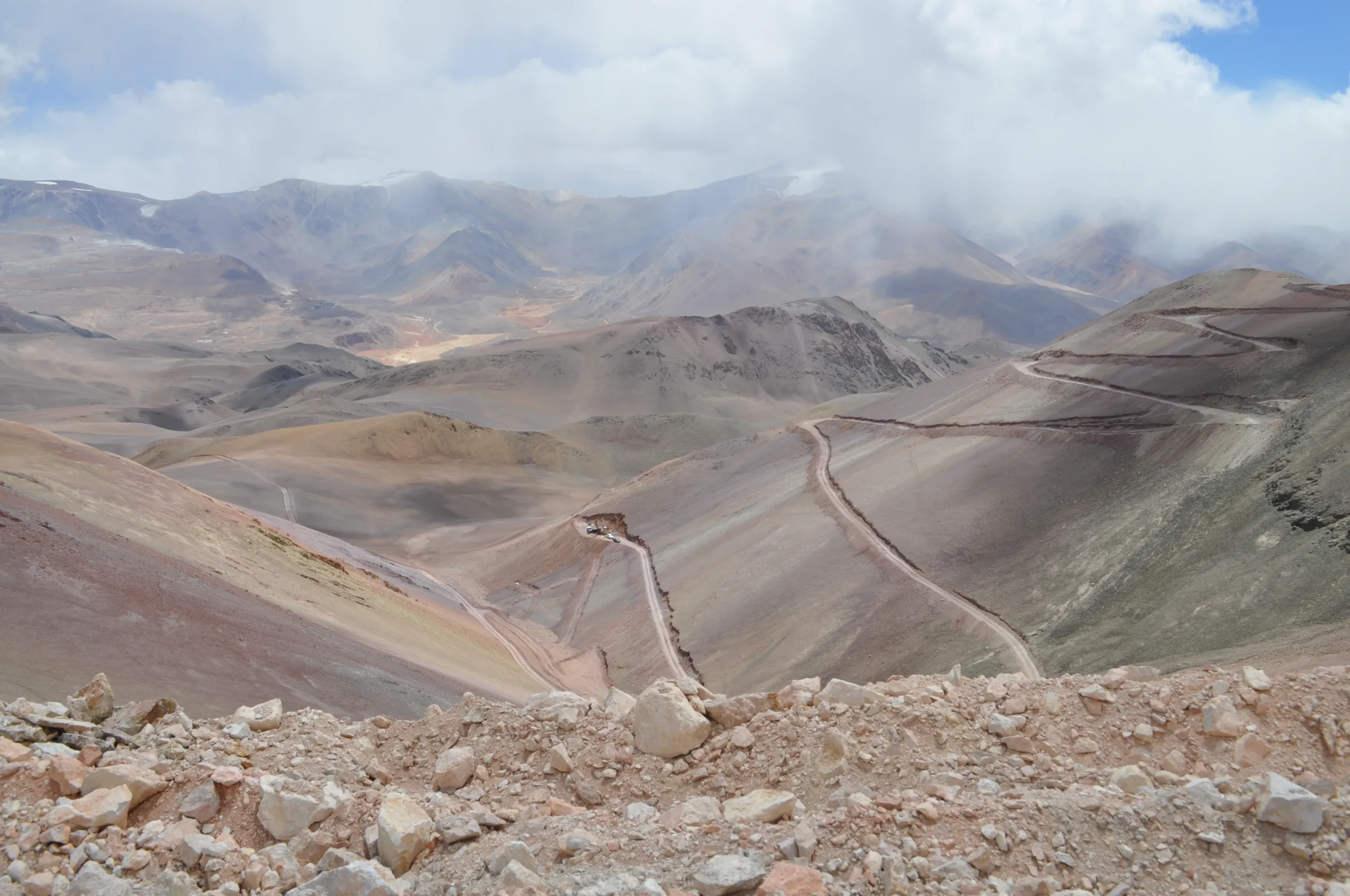
GRG has a 100% interest in the ~4,000 hectare Potrerillos gold-silver project. The property lies in the Andean Cordillera with elevations ranging from 4000m to 5000m above sea level. The property is situated in the Valle de Cura region, (the Argentinean continuation of the El Indio gold-silver belt) 8 km east of the Veladero gold mine, and the Pascua-Lama deposits in western San Juan Province, Argentina (www.barrick.com). [Proximity to these deposits does not indicate that similar mineralization will occur at Potrerillos, and if mineralization does occur, that it will occur in sufficient quantity or grade that would result in an economic extraction scenario, however GRG uses these deposits as models to guide the exploration process.] The main target areas at Potrerillos can all be accessed by 4×4 truck and motorcycles and exploration work can be conducted 6-8 months per year.
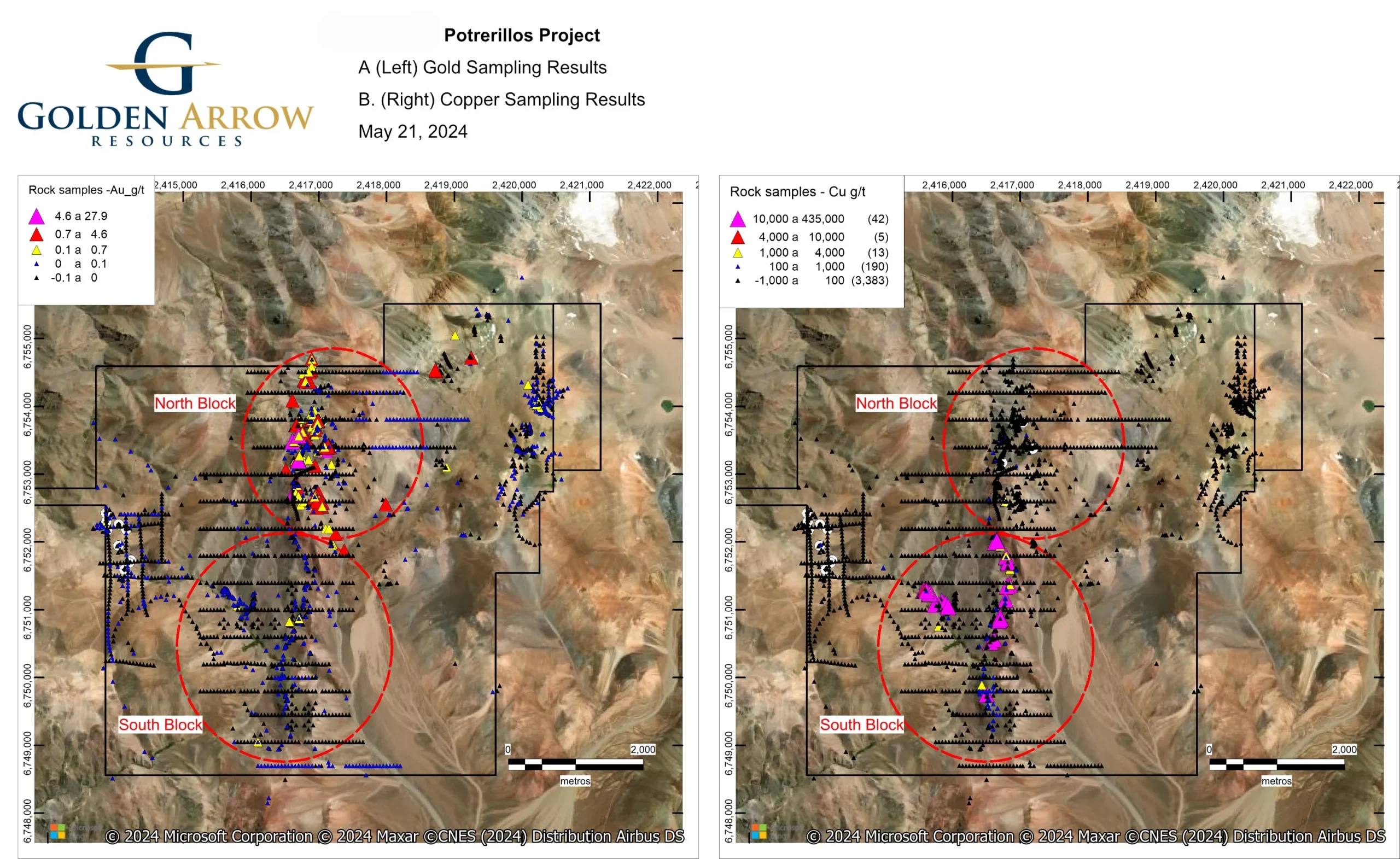
[For full details of exploration results, please refer to the original News Releases filed on SEDAR+.]
The Potrerillos project contains multiple target areas delineated through historic campaigns and a 2024 field season that re-evaluated the targets to update the project database and assess the potential for continued work or joint venture.
At the North Block a Low Sulphidation epithermal system has been identified, including quartz-calcite veins, stockworks and breccias with gold-silver mineralization, hosted in the Tillito Formation (Upper Oligocene-Lower Miocene). This block hosts the previously identified Panorama vein system where the Company drilled 3 holes in the 2010-2011 field season. In addition, the Caracoles sub-target covers 300m by 1500 m with boulders and sub-outcrops with historic gold anomalies. Approximately 200 m west of the Panorama vein system, a parallel system of quartz veinlets with an historic sample of 15.4 g/t Au was resampled in 2024. Of 16 samples collected, 12 samples collected over an area of 200m x 150m returned anomalous results (>0.13 g/t Au) averaging 3.19 g/t Au and 78 g/t Ag, including one sample of 27.88 g/t Au.
The South Block is limited by NW-SE trending faults and represents a deeper system, where the overlying epithermal system has eroded. Copper mineralization is hosted in various units of the Paleocene-aged Rio La Sal Formation. At the Sol Ridge sub-target, sub-horizontal conglomerates outcropping in an area of 120m by 70m carry copper oxides in the matrix. Additionally, in basaltic and andesitic dikes of the same formation, copper oxides (cuprite, malachite, chrysocolla) and native copper are hosted in centimeter-wide quartz veinlets and nodules. This copper mineralization is very erratic but suggests a possible source of copper at depth.
Targets
The Panorama Ridge low-sulphidation epithermal gold-silver target is controlled by the intersection of major fault systems. The dominant feature is a NS orientated thrust system where Permian to Triassic rhyolites of Choiyoi Group are thrust from east to west over the Doña Ana andesites of Oligocene-Miocene age. The Doña Ana hosts the majority of the gold deposits in the El Indio Belt.
Large (up to 15m thick) calcite quartz veins have developed along this NS thrust system and are traced for 3km. The mineralization in the thrust veins is variable, very high grades occur in some zones but generally with silver around 20 to 50ppm and gold 0.1 to 0.2 ppm.
Cross cutting the major NS thrust are a number of east-westerly faults that control mineralization at the Valedero mine. At the intersection of the NS Thrust and WNW Faults a system of quartz vein stock works occur.